
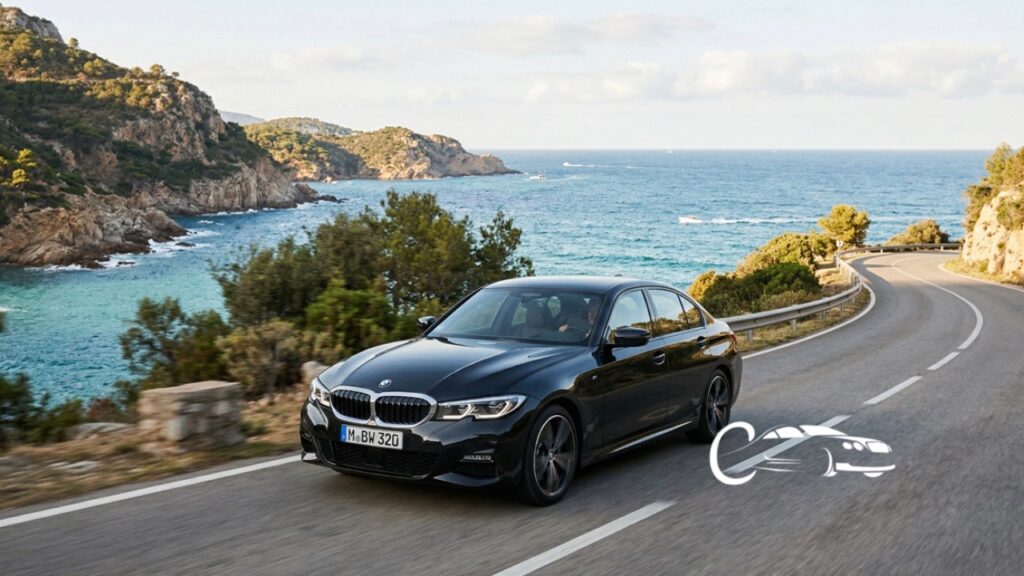
Everything You Need to Know About Insuring a BMW 3 Series
Coverage Types, Costs, Providers, Discounts and Everything You Need to Know
Introduction
The BMW 3 Series is one of the most iconic luxury compact sedans in the world. Since its debut in 1975, it has grown into the benchmark against which all executive sedans are measured, renowned for its precise handling, refined interior, and a model lineup that spans efficient daily drivers to fire-breathing M performance variants. But owning a BMW 3 Series comes with costs beyond the purchase price and routine maintenance, and car insurance is one of the most significant ongoing expenses you will face.
Insuring a BMW 3 Series is more expensive than insuring the average vehicle. The combination of a high market value, premium replacement parts, elevated repair labor costs, and the performance characteristics of the platform all contribute to higher-than-average premiums. At the same time, the 3 Series carries strong safety ratings, a loyal demographic of experienced drivers, and a wide field of competitive insurance options that make it possible to secure solid coverage at a reasonable price, if you know what to look for.
This guide provides a thorough breakdown of everything you need to know about insuring your BMW 3 Series: average costs by coverage level, provider, model year, trim, age group, and state; how key factors influence your premium; what coverage types you should consider; strategies to lower your bill; and a comprehensive FAQ to address the most common questions owners have.
Average Insurance Costs for the BMW 3 Series
Insurance pricing for the BMW 3 Series varies considerably based on coverage level, insurer, and individual driver profile. The figures below represent industry averages compiled from data across major providers and should be used as a baseline for your own comparison.
Key Headline Numbers
- Average monthly full coverage premium: $265-$271
- Average annual full coverage premium: $3,178-$3,246
- Average monthly minimum liability coverage: $77
- Average annual minimum liability coverage: $921
- Full coverage range (by provider): $135-$299 per month
- Minimum coverage range (by provider): $52-$137 per month
These averages are typically based on a 40-year-old male driver with a clean driving record, good credit, and full coverage on a current model year vehicle. Your personal rate may differ substantially.
Rates by Insurance Provider
The table below compares average monthly and annual rates from the most widely used insurance providers for BMW 3 Series owners.
| Insurance Company | Min. Coverage (Monthly) | Full Coverage (Monthly) | Annual Full Coverage | Best For |
|---|---|---|---|---|
| GEICO | $62 | $135 | $1,620 | Budget-conscious drivers |
| State Farm | $70 | $155 | $1,860 | Customer service & local agents |
| USAA | $58 | $155 | $1,860 | Military & veterans only |
| Progressive | $75 | $165 | $1,980 | High-risk or young drivers |
| American Family | $68 | $154 | $1,848 | Bundling home + auto |
| Nationwide | $72 | $170 | $2,040 | Best rates on newer models |
| Allstate | $95 | $250 | $3,000 | Extensive add-on coverage |
| AIG | $120 | $299 | $3,588 | High-value luxury coverage |
Note: USAA is available only to military members, veterans, and their immediate families. Rates reflect a 40-year-old driver with clean record. Actual quotes will vary.
Rates by Driver Age
Driver age is one of the most powerful pricing variables in auto insurance. Young drivers pay dramatically more for the same vehicle and coverage due to higher statistical accident rates and less experience behind the wheel.
| Driver Age | Min. Coverage (Monthly) | Full Coverage (Monthly) | Annual Full Coverage |
|---|---|---|---|
| 16-19 (Teen) | $180+ | $530-$655 | $6,360-$7,860 |
| 20-24 | $110 | $320 | $3,840 |
| 25-29 | $88 | $230 | $2,760 |
| 30-39 | $77 | $173 | $2,076 |
| 40-49 | $72 | $165 | $1,980 |
| 50-59 | $70 | $162 | $1,944 |
| 60-69 | $74 | $170 | $2,040 |
| 70+ | $85 | $195 | $2,340 |
Teen drivers can expect to pay as much as $6,388 or more per year to fully insure a BMW 3 Series, compared to less than $1,000 for an experienced driver with a clean record on an older model. Rates typically stabilize between ages 30 and 60, then begin rising again as older drivers accumulate more claims risk.
Rates by Model Year
As your BMW 3 Series ages, its market value decreases and so do your insurance premiums, particularly for comprehensive and collision coverage, which are tied to the actual cash value of the vehicle.
| Model Year | Average Annual Full Coverage | Notes |
|---|---|---|
| 2025 BMW 3 Series | $3,144-$3,300 | Newest, highest premiums due to replacement cost |
| 2024 BMW 3 Series | $3,108-$3,178 | Minor reduction from 2025 |
| 2023 BMW 3 Series | $3,020-$3,108 | Well-equipped, competitive pricing |
| 2022 BMW 3 Series | $2,900-$3,000 | 5-star NHTSA crash rating helps keep rates down |
| 2021 BMW 3 Series | $2,750-$2,900 | Good value for insurance purposes |
| 2019 BMW 3 Series | $2,500-$2,700 | About 11% cheaper than 2023 equivalent |
| 2016 BMW 3 Series | $2,640-$2,880 | Older but still elevated due to parts cost |
Rates by Trim Level
The 3 Series lineup spans a wide range of performance levels. Higher-output trims with more horsepower, premium components, and higher MSRPs come with meaningfully higher premiums.
| Trim Level | Engine / Power | Starting MSRP (approx.) | Monthly Full Coverage | Notes |
|---|---|---|---|---|
| 330i | 2.0L turbo / 255 hp | $43,900 | $165-$185 | Base sedan, most affordable to insure |
| 330i xDrive | 2.0L turbo / 255 hp (AWD) | $46,400 | $175-$195 | AWD adds modest premium |
| 330e (Plug-in Hybrid) | 2.0L turbo + electric / 288 hp | $49,900 | $180-$200 | Hybrid discount may apply |
| 330e xDrive | 2.0L turbo + electric / 288 hp (AWD) | $52,400 | $185-$210 | Hybrid + AWD combo |
| M340i | 3.0L turbo / 382 hp | $57,400 | $220-$260 | Performance premium applies |
| M340i xDrive | 3.0L turbo / 382 hp (AWD) | $60,200 | $235-$275 | Highest base trim cost |
| M3 (Competition) | 3.0L twin-turbo / 503 hp | $75,900 | $290-$380 | Full M badge, steepest premiums |
The M3 Competition, with its 503-horsepower twin-turbocharged inline-six, can cost up to 23% more to insure than a base 330i. Performance modifications beyond the factory spec can increase costs even further.
Coverage Types Explained
Understanding what each coverage type does, and whether you need it, is essential to building a policy that protects you without overpaying. Below is a complete breakdown of the coverages available for your BMW 3 Series.
| Coverage Type | What It Covers | Required? | Recommended For |
|---|---|---|---|
| Liability (Bodily Injury) | Medical costs for others injured in an at-fault accident | Yes (most states) | All BMW 3 Series owners |
| Liability (Property Damage) | Repair/replacement of others’ property in an at-fault accident | Yes (most states) | All BMW 3 Series owners |
| Collision | Repairs to your BMW after a collision regardless of fault | No (lender may require) | All financed/leased 3 Series |
| Comprehensive | Theft, fire, weather, vandalism, animal strikes | No (lender may require) | All financed/leased 3 Series |
| Uninsured/Underinsured Motorist | Covers you when the at-fault driver has no or insufficient insurance | Required in some states | Strongly recommended |
| Medical Payments (MedPay) | Your medical bills regardless of fault | Required in some states | Drivers without strong health insurance |
| Personal Injury Protection (PIP) | Medical, lost wages, and other costs after an accident | Required in no-fault states | No-fault state residents |
| Gap Insurance | Difference between car value and loan balance after a total loss | No | Owners who financed with small down payment |
| Roadside Assistance | Towing, flat tire, battery jump, lockout | No | Anyone who commutes regularly |
| Rental Reimbursement | Daily rental car costs while your BMW is being repaired | No | Drivers without alternate transportation |
Recommended Coverage Levels
For financed or leased BMW 3 Series
If you are making payments on your 3 Series, your lender will require at minimum comprehensive and collision coverage, in addition to state-mandated liability. Most lenders require liability limits of at least 100/300/100 (meaning $100,000 per person, $300,000 per accident for bodily injury, and $100,000 for property damage). Gap insurance is strongly recommended in this situation.
For owned vehicles worth over $20,000
Full coverage remains a sound investment when your vehicle has significant market value. Losing a $35,000 to $45,000 vehicle to a total loss without collision and comprehensive would represent a devastating financial hit. As a general rule, consider dropping collision and comprehensive when your vehicle’s market value falls below the combined annual cost of those coverages plus your deductible.
For high-mileage commuters
Drivers who cover long distances daily or commute through high-traffic metro areas should prioritize higher liability limits and consider adding roadside assistance and rental reimbursement coverage.
Factors That Influence Your Premium
Insurance companies use dozens of variables to price your policy. Understanding these factors helps you anticipate your costs and take action on the ones within your control.
Vehicle-Related Factors
- Market value and replacement cost: The 3 Series commands a premium purchase price, and OEM replacement parts are expensive. Insurers price collision and comprehensive coverage to reflect this cost.
- Repair labor costs: BMW-certified technicians and authorized service centers charge more per hour than mainstream mechanics, which pushes repair claims higher.
- Trim and performance level: Higher-output trims like the M340i and M3 carry higher horsepower ratings that insurers associate with greater risk of high-speed accidents.
- Safety ratings: The BMW 3 Series earns strong crash test scores, including a 5-star overall NHTSA rating on the 2022 model. Better safety ratings generally correlate with lower bodily injury claim payouts, which can modestly reduce your liability premiums.
- Theft risk: BMWs are desirable theft targets due to their high resale value. This elevates comprehensive premiums compared to less targeted brands.
- Model year: Newer vehicles cost more to replace and repair, driving higher premiums.
Driver-Related Factors
- Age: Drivers under 25 pay the highest rates. Rates stabilize in the 30s through 50s and increase again after 65-70.
- Driving record: A single at-fault accident can raise your premium by 30% or more. A DUI conviction can more than double it.
- Credit score: In most states, insurers use credit-based insurance scores as a pricing variable. Better credit typically translates to lower premiums. California, Hawaii, and Massachusetts prohibit credit-based pricing.
- Annual mileage: Driving more miles means more exposure to risk. Drivers who log under 7,500 miles per year often qualify for low-mileage discounts.
- Claims history: Prior claims, even minor ones, signal risk to insurers and can increase premiums at renewal.
- Gender: In states where permitted, male drivers, especially young ones, typically pay more than female drivers of the same age.
- Marital status: Married drivers often receive slightly lower rates, reflecting statistical data on claims frequency.
Policy-Related Factors
- Coverage levels and limits: Higher liability limits and lower deductibles mean higher premiums.
- Deductible amount: Raising your comprehensive and collision deductible from $500 to $1,000 can reduce those portions of your premium noticeably.
- Number of vehicles on policy: Multi-car policies typically receive a discount.
- Bundling with other policies: Combining auto with homeowners, renters, or life insurance through the same carrier usually yields meaningful discounts.
Geographic Factors
Where you live has an enormous impact on your insurance costs. State regulations, traffic density, weather patterns, local claims history, and litigation rates all feed into your premium.
| State | Avg. Monthly (Min.) | Avg. Monthly (Full) | Notes |
|---|---|---|---|
| Michigan | $176 | $420+ | Highest in the nation; mandated high coverage |
| Louisiana | $120 | $310 | High litigation & weather risk |
| Florida | $105 | $290 | No-fault state; high fraud rate |
| California | $90 | $240 | Credit cannot be used for pricing |
| New York | $95 | $255 | Dense urban traffic, high claims frequency |
| Texas | $80-84 | $200-220 | Mid-range; varies significantly by metro area |
| Illinois | $38-40 | $155-170 | Below-average rates for urban Midwest |
| Ohio | $55 | $160 | Competitive market, low baseline rates |
| Wyoming | $37 | $130 | Cheapest state for BMW 3 Series insurance |
BMW 3 Series vs. Other BMW Models
The 3 Series sits in the middle of the BMW lineup from an insurance cost perspective. Here is how it compares to its siblings.
| BMW Model | Monthly Full Coverage | Annual Full Coverage | Liability Only (Annual) |
|---|---|---|---|
| BMW 2 Series | $252 | $3,027 | $882 |
| BMW 3 Series | $265 | $3,178 | $921 |
| BMW 4 Series | $297 | $3,561 | $904 |
| BMW 5 Series | $268 | $3,216 | $960 |
| BMW X1 (SUV) | $192 | $2,304 | $780 |
| BMW X3 (SUV) | $220 | $2,640 | $840 |
| BMW 7 Series | $350 | $4,200 | $1,100 |
| BMW M3 | $350-380 | $4,200-$4,560 | $1,200+ |
Among BMW sedans, the 3 Series is more affordable to insure than the 5 Series and 7 Series, and significantly cheaper than the performance-oriented M3. The X1 and other compact SUVs in the BMW lineup tend to be the most affordable to insure overall, primarily because their lower horsepower ratings and SUV body style carry different risk profiles.
BMW 3 Series vs. Competing Luxury Sedans
When shopping for a luxury compact sedan, insurance costs should factor into your total cost of ownership calculations. The 3 Series falls in the middle of its competitive class.
| Vehicle | Starting MSRP | Monthly Full Coverage | Annual Full Coverage |
|---|---|---|---|
| BMW 3 Series 330i | $43,900 | $265 | $3,178 |
| Mercedes-Benz C-Class | $45,000 | $285 | $3,420 |
| Audi A4 | $40,900 | $255 | $3,060 |
| Lexus IS 350 | $43,025 | $240 | $2,880 |
| Genesis G70 | $37,550 | $215 | $2,580 |
| Cadillac CT4 | $35,695 | $210 | $2,520 |
| Volvo S60 | $41,100 | $235 | $2,820 |
| Alfa Romeo Giulia | $43,945 | $300 | $3,600 |
The Genesis G70 and Cadillac CT4 are the most affordable luxury compact sedans to insure, reflecting their lower MSRPs and less expensive parts. The BMW 3 Series is comparable to the Mercedes-Benz C-Class but typically cheaper than the Alfa Romeo Giulia and significantly cheaper than a fully-loaded performance variant of any of these models.
How to Lower Your BMW 3 Series Insurance Premium
There are multiple actionable steps you can take to meaningfully reduce what you pay to insure your 3 Series, some with immediate effect and others that build value over time.
| Discount Type | Typical Savings | How to Qualify |
|---|---|---|
| Safe/Clean Driving Record | Up to 30% | No at-fault accidents or violations for 3-5 years |
| Multi-Policy Bundle | 5-15% | Insure home, renters, or life with same carrier |
| Multi-Vehicle | 10-25% | Insure 2+ vehicles on same policy |
| Anti-Theft Device | 5-15% | BMW alarm, tracking system, or aftermarket device |
| Good Student | 5-15% | Full-time student with 3.0+ GPA |
| Defensive Driving Course | 5-10% | Complete an approved course |
| Usage-Based / Telematics | 5-30% | Enroll in program; drive safely and low mileage |
| Low Mileage | 5-10% | Drive under 7,500-10,000 miles/year |
| Loyalty / Long-Term Customer | 5-10% | Stay with the same insurer for multiple years |
| Pay-in-Full Discount | 5-10% | Pay annual premium upfront |
| Paperless / Auto-Pay | 2-5% | Opt into electronic billing and autopay |
| New Car Discount | 5-10% | Insuring a brand-new vehicle |
| Hybrid/EV Discount | 5-10% | Owning a 330e plug-in hybrid variant |
| Higher Deductible | Variable | Choose $1,000 deductible vs $500 |
Strategic Tips
Compare quotes from multiple insurers
This is the single most effective action you can take. Because every insurer uses a different proprietary model to assess risk, rates for the exact same driver and vehicle can vary by hundreds or even thousands of dollars per year. Gather at least four to five quotes before committing to a policy.
Time your coverage adjustments to your vehicle’s value
As your BMW 3 Series depreciates, the math on carrying comprehensive and collision coverage changes. Once your vehicle’s actual cash value falls low enough that the annual cost of those coverages exceeds what you would realistically collect from a claim after your deductible, it may be time to drop them.
Enroll in a telematics program
Many major insurers offer usage-based insurance programs that monitor your driving behavior via a mobile app or plug-in device. Safe driving habits, low mileage, and avoiding nighttime or high-risk driving periods can earn you discounts of up to 30% with some carriers.
Maintain continuous coverage
Gaps in your insurance history signal risk to insurers and can result in higher premiums when you seek new coverage. Even if you are temporarily not driving, consider maintaining a storage or parked-car policy.
Review your policy annually
Life changes, the market changes, and your insurer’s pricing models change. Reviewing your coverage and shopping for alternative quotes once a year ensures you are not leaving savings on the table.
Special Considerations for BMW 3 Series Owners
Insuring the M340i and M3
Owners of the M340i or the full M3 should expect to pay a meaningful premium above base 3 Series rates. High-performance vehicles attract scrutiny from underwriters, and some standard carriers may decline to insure M variants or impose restrictive terms. Specialty insurers with experience in performance vehicles, such as Hagerty, Grundy, or American Collectors Insurance, may offer better terms for enthusiast drivers who use their M3 on track days, though standard daily-driver use is typically covered by mainstream carriers.
Insuring the 330e Plug-in Hybrid
The 330e plug-in hybrid variant comes with a higher MSRP than the standard 330i but may qualify for hybrid discounts with select insurers. Battery replacement is a potential coverage concern: confirm with your insurer how they handle battery-related claims, as not all policies treat this the same way. Some insurers offer specific EV or hybrid coverage endorsements that provide cleaner terms for high-voltage battery systems.
Aftermarket Modifications
The BMW 3 Series is a popular platform for enthusiast modifications. Lowering springs, aftermarket wheels, brake upgrades, engine tune files, and carbon fiber trim pieces are common. From an insurance standpoint, failing to disclose material modifications can void your coverage entirely if a claim arises and the modification is determined to have contributed to the loss. Always contact your insurer before installing significant upgrades, and ask about an agreed-value endorsement if your modified vehicle is worth more than a stock example.
Classic and Vintage 3 Series Models
Early E21 and E30 generation 3 Series vehicles are increasingly collectible. Standard auto insurance is not always the best fit for classic or appreciating vehicles. Specialty insurers like Hagerty offer agreed-value policies that pay out the full insured amount in the event of a total loss, with no depreciation deduction. These policies typically come with mileage restrictions but cost significantly less than standard coverage and better reflect the true value of a cared-for classic.
Gap Insurance and Total Loss Scenarios
New BMW 3 Series models depreciate quickly in the first few years. A vehicle purchased for $47,000 may be worth only $32,000-$35,000 after two years of ownership. If you financed with a small down payment, the outstanding loan balance could easily exceed the car’s actual cash value after a major accident. Without gap insurance, you would be responsible for the difference, potentially paying thousands of dollars on a car you no longer have. Gap coverage is especially important for lease customers, who are almost always better off adding it.
Choosing the Right Insurance Company
Beyond price, the quality of your insurance company matters when you actually need to file a claim. Consider these criteria when evaluating providers:
Financial Strength
Look for an AM Best rating of A or better. This reflects the insurer’s ability to pay claims even under adverse conditions. Choosing a financially weak insurer to save a few dollars per month is a false economy.
Claims Handling and Customer Satisfaction
J.D. Power publishes annual auto insurance satisfaction studies that rank insurers on claims handling, agent interaction, policy information, and pricing fairness. USAA, Erie, and State Farm consistently rank among the top performers. Allstate and some regional carriers receive more mixed reviews.
Digital Tools and Accessibility
A well-designed mobile app, an easy-to-use claims portal, and access to 24/7 support can make a significant difference when you are dealing with an accident or emergency. Progressive and State Farm are noted for their robust digital platforms.
Coverage Flexibility
Some insurers offer specialty endorsements well-suited to BMW owners, such as original equipment manufacturer (OEM) parts guarantees, which ensure your repair uses genuine BMW components rather than aftermarket alternatives. For a precision-engineered vehicle like the 3 Series, this can meaningfully affect both resale value and driving dynamics after a repair.
Frequently Asked Questions
Q1: How much does it cost to insure a BMW 3 Series?
On average, a BMW 3 Series costs between $265 and $271 per month for full coverage, or roughly $3,178 to $3,246 per year. Minimum liability-only coverage averages around $77 per month or $921 per year. Actual rates vary widely based on your age, driving record, location, model year, and chosen coverage levels.
Q2: Is the BMW 3 Series expensive to insure compared to other cars?
Yes, the BMW 3 Series sits above the national average for insurance costs. It costs approximately $800 more per year to insure than the average vehicle. Among luxury sedans, it is positioned in the mid-range: cheaper than the BMW 5 Series or Mercedes C-Class, but more expensive than a Lexus IS or Genesis G70.
Q3: Which insurance company offers the cheapest rates for a BMW 3 Series?
GEICO consistently offers some of the most competitive rates, with full coverage starting around $135 per month for a 3 Series. State Farm, USAA (for military and veterans), and American Family are also competitive. Rates vary by state and individual driver profile, so always compare multiple quotes.
Q4: Does the trim level affect BMW 3 Series insurance costs?
Absolutely. The base 330i sedan is significantly cheaper to insure than the M340i or the full M3. Higher-performance trims carry higher premiums because they have greater horsepower, higher market values, and more expensive repair costs. The M3 Competition can cost nearly double what you would pay to insure a standard 330i.
Q5: Does a newer BMW 3 Series cost more to insure than an older one?
Generally yes. A 2025 3 Series costs around $3,144 to $3,300 per year to insure fully, while a 2019 model runs closer to $2,500 to $2,700. The main driver is replacement cost: newer vehicles are worth more, so insurers charge more to cover them. However, newer models with advanced safety features like automatic emergency braking may qualify for safety discounts.
Q6: What coverage do I need if I am financing or leasing my BMW 3 Series?
Lenders and leasing companies typically require full coverage: comprehensive, collision, and liability with limits of at least 100/300/100. They may also require gap insurance, which covers the difference between the car’s actual cash value and the outstanding loan or lease balance if the car is totaled. Without gap insurance, you could owe thousands of dollars out of pocket after a total loss.
Q7: How can I lower my BMW 3 Series insurance premium?
Several strategies can reduce your premiums meaningfully. Maintaining a clean driving record is the single most effective way to save. Bundling your auto policy with home or renters insurance, increasing your deductible, enrolling in a usage-based telematics program, and taking a defensive driving course can all shave significant amounts off your annual bill. Shopping around and comparing quotes from at least three to five insurers is also critical.
Q8: Does the BMW 3 Series have good safety ratings?
Yes. The 2022 BMW 3 Series received an overall 5-star crash rating from the National Highway Traffic Safety Administration (NHTSA). Strong safety ratings can positively influence insurance premiums, as insurers view well-rated vehicles as less likely to result in serious injury claims.
Q9: Is the BMW 3 Series a high theft-risk vehicle?
BMWs in general are considered moderately high theft targets due to their desirability and resale value of parts. This perception can influence comprehensive insurance premiums. Installing a BMW-approved tracking system or anti-theft device can help offset this risk and may qualify you for a discount with many insurers.
Q10: Does insuring a BMW 330e (plug-in hybrid) cost more than the 330i?
The 330e carries a slightly higher premium than the base 330i due to its higher MSRP and the cost of replacing battery components. However, some insurers offer a hybrid or EV discount that can partially offset this. Net costs are typically only marginally higher than a comparable gasoline 330i.
Q11: Can aftermarket modifications affect my BMW 3 Series insurance?
Yes, and often significantly. Performance modifications such as engine tuning, suspension upgrades, larger wheels, or turbo enhancements can increase your premiums or result in denied claims if not disclosed to your insurer. Always notify your insurer of any modifications. Some carriers offer specialty coverage for modified vehicles.
Q12: How often should I review and update my BMW 3 Series insurance policy?
You should review your policy at least once per year, and additionally whenever a major life event occurs: a change in driving record, a move to a new state or city, paying off a loan, adding or removing a driver, or making significant modifications to the vehicle. Staying with the same insurer for years without comparing quotes is one of the most common ways BMW owners overpay.
Disclaimer
All insurance rates cited in this guide are averages sourced from industry research and represent approximate figures for illustrative purposes. Actual premiums are highly individualized and will vary based on your specific driver profile, location, vehicle condition, coverage selections, and the insurer you choose. This article does not constitute insurance advice. Always consult a licensed insurance professional and obtain multiple quotes before purchasing a policy.