
Introduction
If your car insurance bill keeps creeping up every renewal, you’re not alone. Most drivers assume premiums only go down with age or magically after a few “good years.” That’s not how insurance works.
The truth is: every U.S. state allows specific, legal ways to reduce your premium but insurers rarely tell you unless you ask.
This guide breaks down real, state-approved strategies you can use today, especially in states you’ve already covered: Texas, California, New York, Florida, Pennsylvania, and Illinois.
No loopholes. No shady tactics. Just smart, legal moves.
We do not promote any insurances but out top pick is Geico.
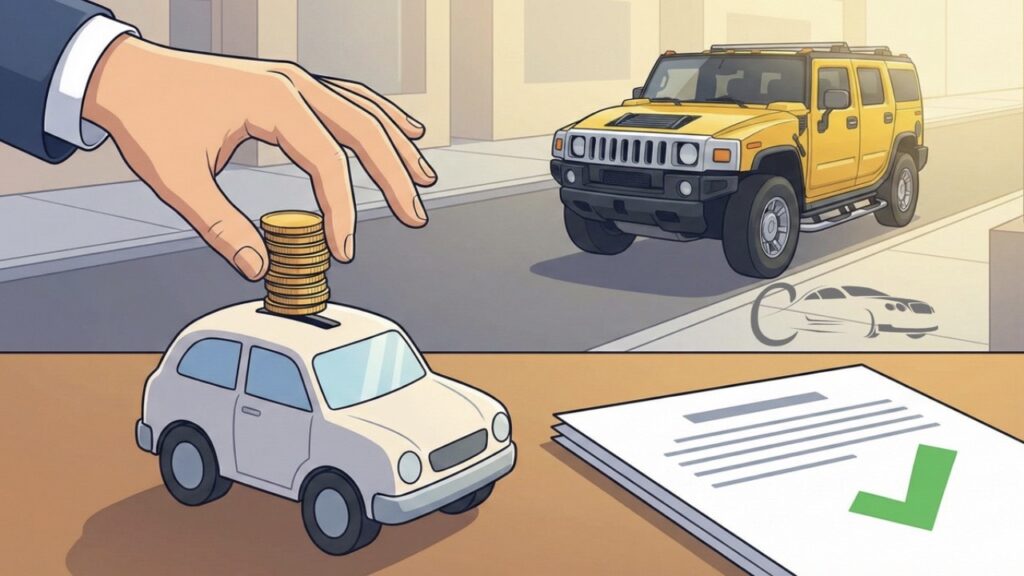
1. Adjust Coverage the Right Way (State-Legal Optimization)
Most people either overpay for coverage they don’t need or underinsure and risk penalties.
Texas, California & New York
These states allow you to:
- Lower collision & comprehensive deductibles
- Drop optional add-ons like roadside assistance or rental reimbursement
If your car is over 7–8 years old, paying full coverage may not make financial sense anymore.
⚠️ Just don’t drop liability coverage below the state minimum that’s illegal and will cost you far more in fines.
Read also: Top 5 Most Affordable Car Insurance In Texas
2. Use State-Approved Defensive Driving Discounts
This one is criminally underused.
Texas & New York
State law allows insurers to offer mandatory discounts if you complete an approved defensive driving course.
- Texas: Discount can apply for up to 3 years
- New York: Often reduces premiums by 10%
Most courses take 4–6 hours online and cost less than a tank of gas.
Read also: Why Do We Need Auto Insurance?
3. Improve Credit (Where It’s Allowed)
Not all states treat credit the same.
Allowed:
- Texas
- Pennsylvania
- Illinois
- New York
Improving your credit score can lower your premium without changing your driving record.
Insurers use credit to assess “risk behavior,” not debt.
Not Allowed:
- California
- Massachusetts
- Hawaii
If you’re in California, insurers cannot legally use credit scores so focus on mileage, driving behavior, and vehicle choice instead.
Read also: Top Rated Auto Insurers in Pennsylvania for Safe Drivers
4. Lower Your Annual Mileage
Insurers price risk based on how much you drive, not just how well.
All states we’ve covered allow:
- Low-mileage discounts
- Pay-per-mile insurance plans
If you:
- Work from home
- Drive under 7,500 miles/year
- Own a second car
…you’re likely overpaying.
Update your mileage estimate every renewal insurers won’t do it for you.
5. Remove Drivers Who Increase Risk
Sounds obvious, but many people forget this.
Legal in All States
If a:
- Child moves out
- Ex-partner no longer drives your car
- High-risk driver stops using your vehicle
Remove them immediately.
Keeping unnecessary drivers on your policy can inflate premiums by 20–40%.
6. Bundle, But Only When It Makes Sense
Yes, bundling works but only sometimes.
Texas, Florida & Pennsylvania
Multi-policy discounts (auto + home/renters) are common and often meaningful.
California
Bundling discounts exist, but are more tightly regulated and sometimes smaller.
Always compare:
- Bundled price vs
- Standalone auto insurance
Loyalty doesn’t always pay.
7. Avoid Coverage Gaps at All Costs
A lapse in insurance coverage is one of the fastest ways to spike premiums.
New York & Texas
Driving uninsured: even briefly can result in:
- License suspension
- Higher future premiums
- Mandatory filings (like SR-22)
Even a 1–2 month gap can raise rates for years.
If you’re switching insurers, overlap policies by a day. It’s legal and cheaper long-term.
8. Reconsider Your Vehicle Choice
Insurance pricing isn’t emotional it’s statistical.
High insurance cost vehicles:
- Sports cars
- Luxury sedans
- EVs with expensive repairs
Lower insurance cost vehicles:
- Sedans with strong safety records
- Cars with cheap replacement parts
This applies in every state, including California and Florida where repair costs are high.
9. Ask for Discounts (Yes, Literally Ask)
Insurers won’t always apply discounts automatically.
Ask about:
- Safe driver discounts
- Low mileage discounts
- Good student discounts
- Telematics programs (optional, state-approved)
This is legal in all states and surprisingly effective.
10. Shop Around at Every Renewal
There is no loyalty bonus in auto insurance.
Texas, Illinois & Pennsylvania
Rates vary wildly between insurers even for identical profiles.
Shopping every 6–12 months is legal, normal, and smart.
Comparison Table: Legal Ways to Lower Car Insurance by State
| Strategy | Texas | California | New York | Florida | Pennsylvania | Illinois |
|---|---|---|---|---|---|---|
| Adjust coverage & deductibles | ✅ Allowed | ✅ Allowed | ✅ Allowed | ✅ Allowed | ✅ Allowed | ✅ Allowed |
| Defensive driving course discount | ✅ State-approved | ❌ Limited | ✅ State-approved | ❌ Not common | ❌ Limited | ❌ Limited |
| Credit score used in pricing | ✅ Yes | ❌ No | ✅ Yes | ✅ Yes | ✅ Yes | ✅ Yes |
| Low-mileage discounts | ✅ Yes | ✅ Yes | ✅ Yes | ✅ Yes | ✅ Yes | ✅ Yes |
| Pay-per-mile car insurance | ✅ Available | ✅ Popular | ❌ Limited | ❌ Rare | ❌ Rare | ❌ Limited |
| Multi-policy bundling | ✅ Yes | ⚠️ Limited | ✅ Yes | ✅ Yes | ✅ Yes | ✅ Yes |
| Telematics (usage-based insurance) | ✅ Optional | ⚠️ Heavily regulated | ✅ Optional | ✅ Optional | ✅ Optional | ✅ Optional |
| Removing drivers legally | ✅ Yes | ✅ Yes | ✅ Yes | ✅ Yes | ✅ Yes | ✅ Yes |
| Penalty for coverage lapse | High | Medium | Very High | High | Medium | Medium |
Legend:
✅ Allowed / Common
⚠️ Restricted or Regulated
❌ Rare or Not Applicable
Final Thoughts
Lowering your car insurance premium isn’t about tricks, it’s about understanding how state laws allow insurers to price risk.
If you:
- Optimize coverage
- Keep a clean driving record
- Avoid coverage gaps
- Use state-approved discounts
…you can legally save hundreds every year without sacrificing protection.
And the best part?
Most of these changes take less than an hour to implement.
FAQs: Car Insurance Savings Explained
1. Can I legally lower my car insurance without changing insurers?
Yes. Many car insurance discounts are internal and not automatically applied. Updating mileage, removing drivers, increasing deductibles, or completing a defensive driving course can reduce premiums without switching providers.
2. Does lowering coverage always reduce car insurance costs?
Not always. Reducing optional coverage like collision or comprehensive may lower your car insurance bill, but dropping liability below state minimums is illegal and can result in fines, license suspension, or higher future premiums.
3. How often should I shop around for car insurance?
Every 6 to 12 months. Car insurance pricing changes frequently, and loyalty rarely results in better rates. Comparing quotes regularly is one of the most effective legal ways to save.
4. Does my credit score affect car insurance in every state?
No. States like California prohibit insurers from using credit scores in car insurance pricing. However, states such as Texas, New York, Illinois, and Pennsylvania allow it, making credit improvement a powerful cost-reduction tool.
5. Will a defensive driving course lower my car insurance?
In some states, yes. Texas and New York legally require insurers to offer car insurance discounts for approved defensive driving courses. These discounts can last up to three years.
6. Is pay-per-mile car insurance worth it?
If you drive under 7,500 miles per year, pay-per-mile car insurance can significantly reduce costs. It’s especially effective for remote workers or households with multiple vehicles.
7. Does removing a driver lower car insurance immediately?
Yes. Removing a high-risk or unnecessary driver can lower car insurance premiums instantly. Just make sure the driver no longer uses the insured vehicle.
8. Can switching cars really reduce car insurance?
Absolutely. Vehicles with lower repair costs, strong safety ratings, and fewer theft claims typically result in cheaper car insurance, regardless of the state.
9. Is bundling auto and home insurance always cheaper?
Not always. While bundling can reduce car insurance costs in states like Texas and Florida, it’s still smart to compare standalone auto policies to avoid overpaying.
10. What is the biggest mistake people make with car insurance?
Allowing coverage lapses. Even short gaps in car insurance coverage can raise rates for years and, in some states, lead to legal penalties.